5 Proven Ways to Lower Your Blood Pressure Naturally
By bmicalculatorhealth.com Editorial Team
High blood pressure, or hypertension, is a dangerous condition that can damage your heart and lead to serious cardiovascular issues. While medication is sometimes necessary, the American Heart Association (AHA) strongly recommends lifestyle modifications as the first line of defense.
If you have recently used a Blood Pressure Calculator and found your numbers in the "Elevated" or "Stage 1" category, do not panic. Here are 5 scientifically proven ways to lower your blood pressure naturally.
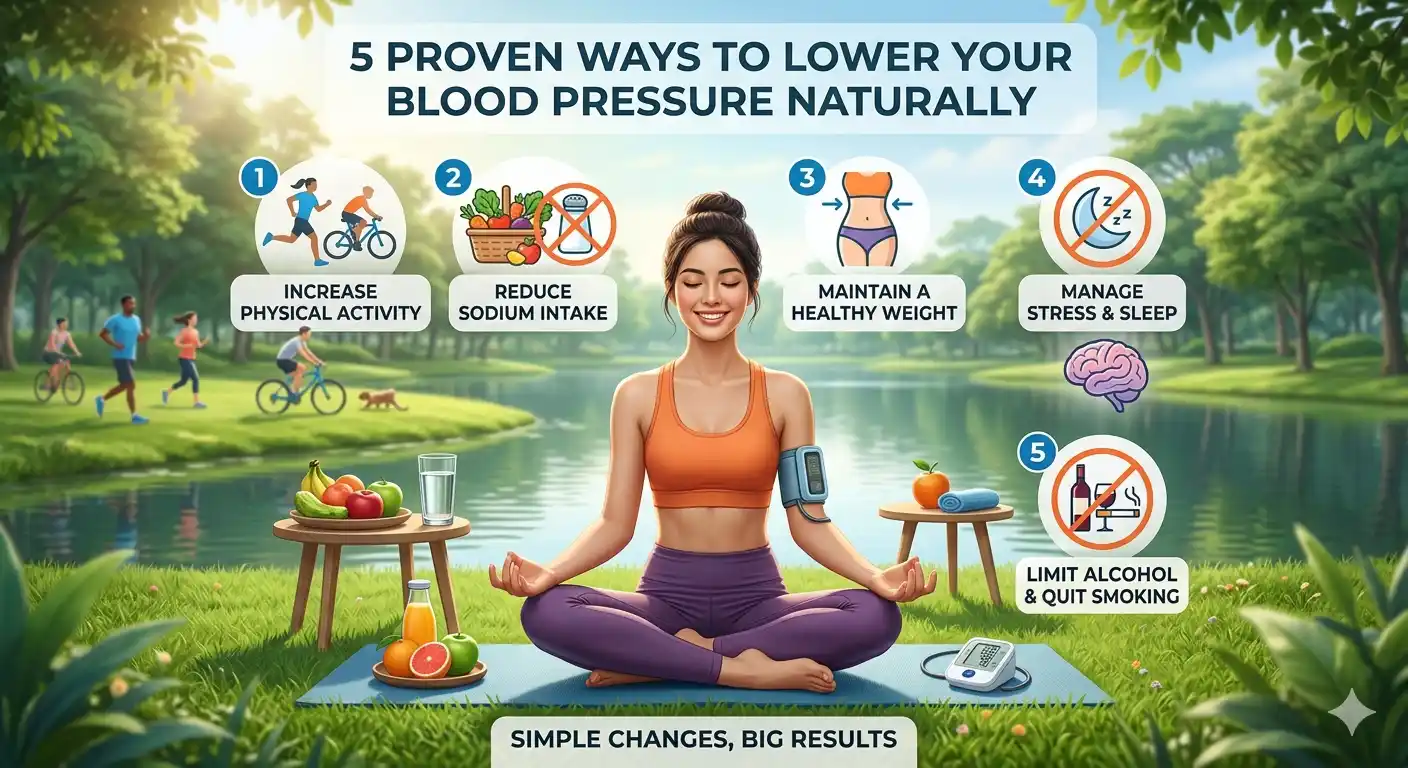
1. Reduce Your Sodium Intake
Even a small reduction in the sodium (salt) in your diet can improve your heart health and reduce blood pressure by about 5 to 6 mmHg. The effect of sodium intake on blood pressure varies among groups of people, but generally, Americans consume far too much salt.
- Read Food Labels: Opt for low-sodium alternatives of your favorite foods and beverages.
- Eat Fewer Processed Foods: Most of the sodium in the US diet comes from packaged foods, not the saltshaker.
- Don't Add Salt: Use herbs, spices, and salt-free seasoning blends to add flavor to your meals.
2. Increase Physical Activity
Regular physical activity—such as 150 minutes a week, or about 30 minutes most days of the week—can lower your blood pressure by about 5 to 8 mmHg if you have high blood pressure. Consistency is key because if you stop exercising, your numbers can rise again.
Examples of aerobic exercise you can try include walking, jogging, cycling, swimming, or dancing. High-intensity interval training (HIIT) is also an excellent option for cardiovascular conditioning.
3. Adopt the DASH Diet
What is the DASH Diet?
Dietary Approaches to Stop Hypertension (DASH) is a diet rich in whole grains, fruits, vegetables, and low-fat dairy products. It strictly limits saturated fats and cholesterol. Adhering to the DASH diet can lower your blood pressure by up to 11 mmHg.
4. Limit Alcohol Consumption
Drinking too much alcohol can raise your blood pressure by several points. It can also reduce the effectiveness of blood pressure medications. If you choose to drink alcohol, do so in moderation—up to one drink a day for women and two drinks a day for men.
5. Manage Your Stress Levels
Chronic stress is an important contributor to high blood pressure. Occasional stress can also contribute to temporary spikes in your numbers, especially if you react to stress by eating unhealthy food, drinking alcohol, or smoking.
Take some time to think about what causes you to feel stressed. Once you know what's causing your stress, consider how you can eliminate or reduce it. Techniques such as deep breathing, meditation, and yoga are highly effective.
Keep Track of Your Numbers
The only way to know if your lifestyle changes are working is to monitor your progress. Home monitoring can help you keep tabs on your blood pressure, make certain your lifestyle changes are working, and alert you and your doctor to potential health complications.